How to Train a Puppy Using Puppy Pads: A Complete Guide to Puppy Pad Training
Bringing a new puppy home is an exciting experience, but it also comes with challenges—one of the biggest being toilet training. For many pet parents, puppy pad training is a practical and stress-free way to teach good bathroom habits, especially when outdoor training isn’t immediately possible. Whether you live in an apartment, have limited outdoor access, or want a clean indoor solution during early puppyhood, learning how to train a puppy using puppy pads can make life easier for both you and your furry friend.
This in-depth guide will walk you through everything you need to know about puppy pee pad training, from setting up the right space to building long-term habits. By the end, you’ll feel confident knowing exactly how to potty train a puppy indoors using pads in a positive, effective way.
Understanding Puppy Pad Training
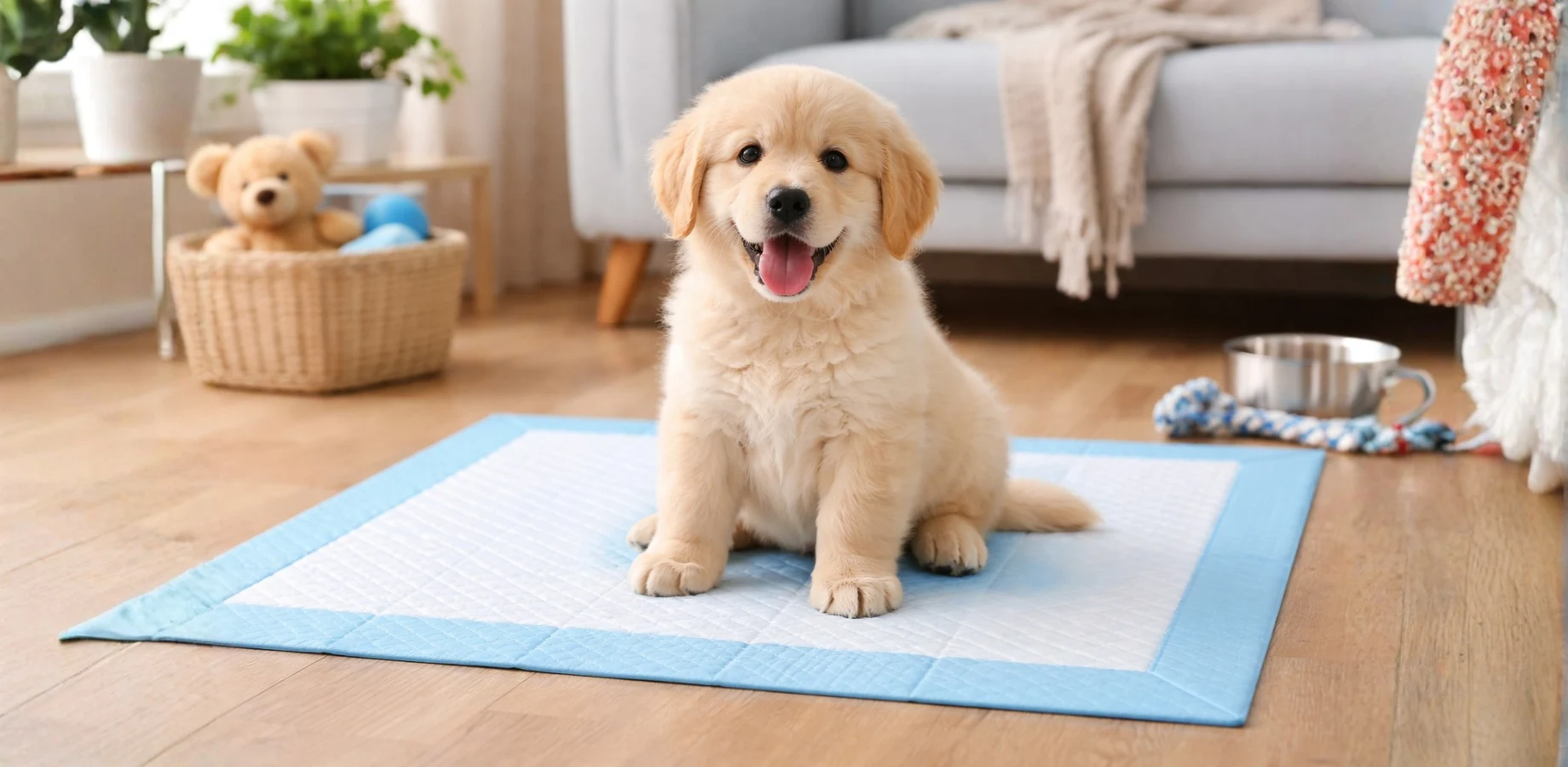
Puppy pad training is a method of teaching your puppy to relieve themselves on an absorbent pad placed in a designated indoor area. These pads are designed to absorb moisture quickly, reduce odors, and protect floors from leaks. Unlike traditional outdoor training, puppy pad training allows your puppy to learn at their own pace without the pressure of frequent outdoor trips.
This method is especially helpful during:
- Early puppyhood when bladder control is still developing
- Rainy seasons or extreme weather
- Apartment living or high-rise buildings
- Night-time potty needs
The goal of puppy pad training is consistency. Puppies thrive on routine, and when they understand where they’re supposed to go, accidents decrease naturally.
Why Choose Puppy Pad Training?
Many new dog owners wonder whether indoor training will confuse their puppy. In reality, when done correctly, puppy pad training creates clear boundaries and expectations.
Benefits of Puppy Pad Training
- Convenience: No need to rush outside every hour
- Cleaner home: Pads protect floors and carpets
- Reduced stress: Less pressure on both puppy and owner
- Gradual learning: Puppies gain confidence before transitioning outdoors
For busy households or first-time pet parents, puppy pads provide a reliable foundation for house training.
Setting Up the Perfect Puppy Pad Area
Before you begin training, it’s important to create the right environment. A proper setup plays a huge role in successful puppy pee pad training.
Choose the Right Location
Pick a quiet, low-traffic area where your puppy can focus. Avoid placing pads near their food or sleeping area, as dogs instinctively avoid soiling where they eat or rest.
Limit the Space Initially
Use baby gates or playpens to restrict your puppy’s movement during the early days. This helps them associate the pad with the correct potty spot.
Use the Same Spot Every Time
Consistency is key. Always place the pad in the same location so your puppy builds a strong mental connection.
How to Potty Train a Puppy FAST with Puppy Pads
Step-by-Step: How to Train a Puppy Using Puppy Pads
Step 1: Introduce the Puppy to the Pad
Let your puppy sniff and explore the pad. This helps them become comfortable with it and reduces fear or confusion.
Step 2: Watch for Potty Signals
Puppies usually show signs before going potty, such as:
- Sniffing the floor
- Circling
- Whining
- Suddenly stopping play
When you notice these signs, gently guide your puppy to the pad.
Step 3: Place Puppy on the Pad After Key Moments
Timing matters in puppy pad training. Always take your puppy to the pad:
- After waking up
- After meals
- After playtime
- Before bedtime
This routine reinforces the habit quickly.
Step 4: Use Positive Reinforcement
When your puppy successfully uses the pad, reward them immediately with:
- Verbal praise
- Gentle petting
- A small treat
Positive reinforcement builds confidence and encourages repeat behavior.
Step 5: Handle Accidents Calmly
Accidents are normal. Never scold or punish your puppy. Instead:
- Clean the area thoroughly to remove odor
- Place your puppy back on the pad
- Stay consistent with the routine
Patience is essential when learning how to potty train a puppy indoors.
Common Puppy Pad Training Mistakes to Avoid
Even with the best intentions, some mistakes can slow progress.
Moving the Pad Too Often
Changing the pad’s location confuses your puppy. Keep it consistent.
Using Too Many Pads
Using multiple pads may make your puppy think it’s okay to potty anywhere. Start with one pad in one spot.
Inconsistent Schedule
Skipping potty breaks or forgetting post-meal trips can lead to accidents.
Negative Reactions
Punishment creates fear and slows learning. Always focus on encouragement.
How Long Does Puppy Pad Training Take?
Every puppy is different, but most puppies begin to understand pad training within 2–4 weeks. Full reliability may take a bit longer, depending on:
- Age
- Breed
- Consistency of training
- Owner involvement
The key is repetition and routine. The more consistent you are, the faster your puppy will learn.
Transitioning From Puppy Pads to Outdoor Training (Optional)
Some owners choose to continue pad training long-term, while others use it as a stepping stone to outdoor potty habits.
Gradual Transition Tips
- Move the pad closer to the door over several days
- Eventually place the pad outdoors
- Encourage your puppy to use the pad outside
- Remove the pad once outdoor habits are established
This gradual method prevents confusion and anxiety.
Night-Time Puppy Pad Training Tips
Night-time accidents are common, especially for young puppies.
- Place the pad close to your puppy’s sleeping area
- Limit water intake right before bedtime
- Take your puppy to the pad just before sleeping
- Praise calm, successful night-time use
Night routines are an important part of successful puppy pee pad training.
Puppy Pad Training for Apartments and Small Homes
Apartment living makes potty training a puppy indoors especially useful. Pads reduce elevator trips, late-night walks, and weather-related challenges.
Tips for apartment success:
- Use high-absorbency pads
- Change pads regularly to control odor
- Maintain a strict routine
- Keep the potty area well-ventilated
With the right setup, puppy pad training can be just as effective as outdoor training.
Building Long-Term Success With Puppy Pad Training
Consistency doesn’t end once your puppy starts using the pad correctly. Long-term success depends on:
- Maintaining routine potty times
- Replacing pads regularly
- Continuing positive reinforcement
- Staying patient during growth stages
As your puppy matures, accidents will naturally decrease, and confidence will grow.
Making Puppy Pad Training a Positive Experience
Learning how to train a puppy using puppy pads is about understanding your puppy’s needs and guiding them with patience and care. Puppy pad training isn’t just a convenience—it’s a powerful tool that builds trust, routine, and confidence during your puppy’s most important learning stage.
By following the steps in this guide, staying consistent, and focusing on positive reinforcement, puppy pad training can be a smooth, stress-free experience. Whether you plan to continue indoor training or transition outdoors later, the habits your puppy learns now will last a lifetime.
Shop NOW: bulk.price.com