
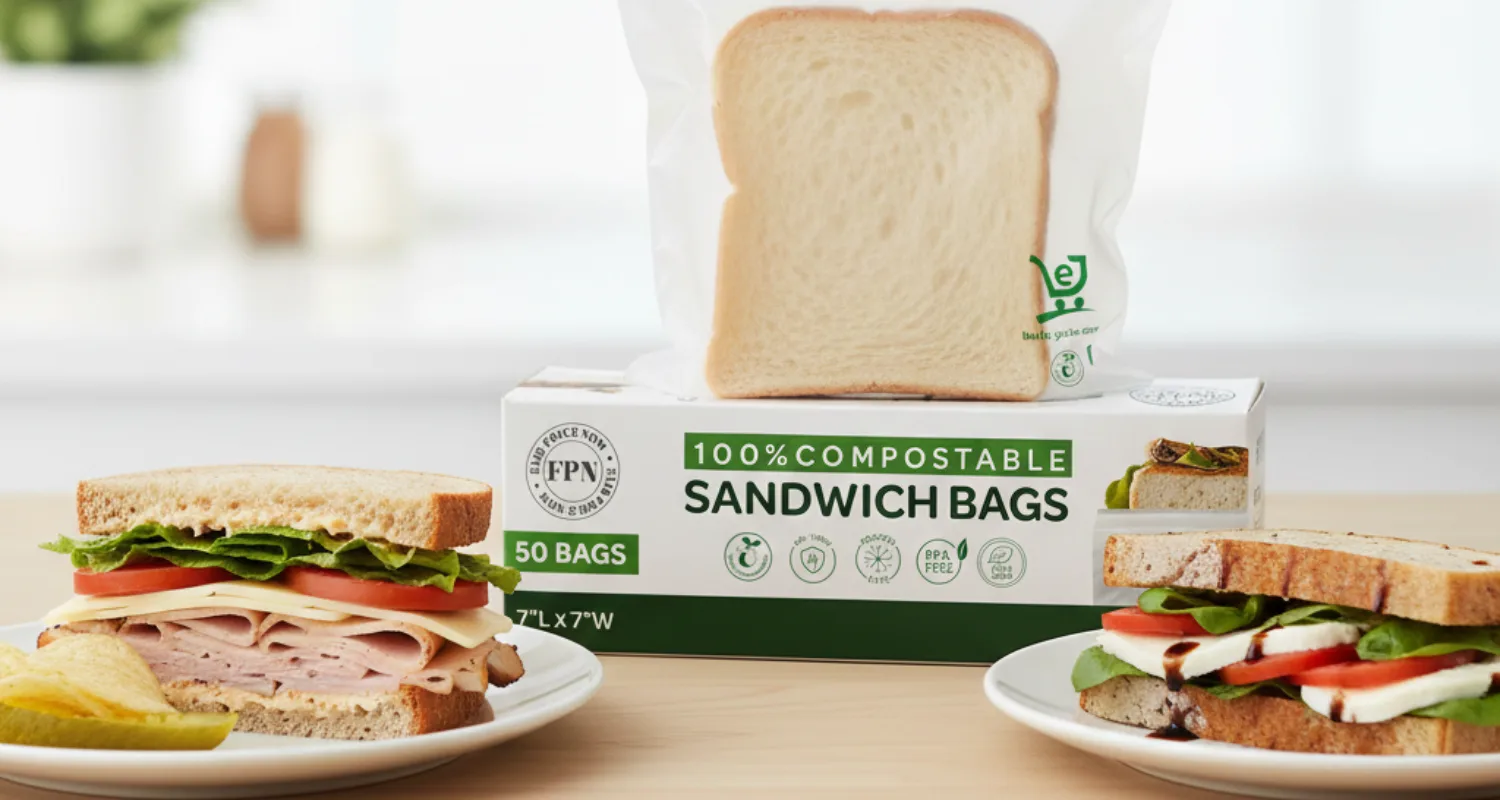
Compostable Sandwich Bags: The Future of Sustainable Food Storage
In today’s fast-paced world, convenience often comes at the cost of environmental damage—especially when it comes to single-use plastics. Traditional plastic bags have been a staple in homes, lunch boxes, and kitchens for decades, but their long-lasting impact on the planet is no longer something we can ignore. As awareness grows, more people are searching for better alternatives. This is where compostable sandwich bags come in—offering a practical, eco-conscious solution that aligns with modern sustainability goals without sacrificing convenience.
Whether you’re packing lunch for school, storing snacks, meal-prepping for the week, or organizing leftovers, compostable sandwich bags provide all the functionality you expect while helping reduce plastic waste. They are durable, safe, non-toxic, and created to break down naturally, making them a perfect choice for eco-minded families, businesses, and bulk buyers.
In this comprehensive guide, we will explore everything you need to know about compostable sandwich bags, how they differ from biodegradable plastics, why BPA-free materials matter, and how making this small switch ensures a big positive environmental impact.
What Are Compostable Sandwich Bags?
Compostable sandwich bags are specially designed food storage bags made from plant-based materials such as cornstarch, PLA (polylactic acid), or other renewable resources. Unlike petroleum-based plastics, these bags are created to break down into natural elements like carbon dioxide, water, and organic biomass when placed in proper composting conditions.
When we talk about compostable products, it means they meet specific compostability standards—usually ASTM D6400 or EN 13432—ensuring they decompose safely without leaving toxic residue behind.
These bags serve the same purpose as regular ziplock bags but with a critical difference: they do not contribute to the plastic pollution crisis.
Compostable vs. Biodegradable: What’s the Difference?
It’s common to hear terms like biodegradable plastic sandwich bags, biodegradable sandwich bag, or biodegradable snack bags, but many people don’t realize that “biodegradable” can be misleading.
Biodegradable Products
- May still contain plastic.
- Can take years or even decades to break down.
- Often degrade into microplastics.
- Not always safe for the environment.
Many biodegradable plastic sandwich bags break apart faster than traditional plastic, but they do not fully decompose—they simply fragment.
Compostable Products
- Made from plant-based, non-plastic materials.
- Break down completely in industrial or home composting.
- Leave zero toxic residue.
- Help enrich the soil rather than pollute it.
This makes compostable sandwich bags, compostable snack bags, and compostable ziplock bags a far superior choice for those seeking true sustainability.
The Problem With Traditional Plastic Sandwich Bags
Traditional sandwich bags are made from LDPE (low-density polyethylene) or similar plastic materials. While lightweight and cheap, they pose enormous environmental threats:
- They take 400–500 years to decompose.
- Most end up in landfills or oceans.
- Microplastics contaminate soil, water, and even food.
- Wildlife can mistake plastic for food.
The world consumes billions of single-use sandwich bags every year. Each one contributes to the massive plastic waste problem. Switching to plastic free sandwich bags helps consumers reduce their carbon footprint and promote healthier ecosystems.
Why Choose Compostable Sandwich Bags?
There are numerous reasons to switch from conventional options to eco friendly sandwich bags. Let’s take a look at the top benefits:
1. Environmentally Friendly
These bags are produced from renewable resources, making them environmentally friendly sandwich bags that help reduce dependence on fossil fuels. They break down naturally and do not create microplastic pollution.
2. Safe for You & Your Family
Compostable sandwich bags are typically BPA free sandwich bags, which means they do not leach harmful chemicals into your food. BPA has been linked to hormonal disruptions and other long-term health concerns, so avoiding plastics that contain it is a smart choice.
3. Strong, Durable & Leak-Proof
Modern compostable materials are engineered to be leak-proof, tear-resistant, and suitable for storing various food items including sandwiches, fruits, vegetables, or snacks. High-quality compostable ziplock bags maintain the same functionality as conventional alternatives, making them perfect for everyday use.
4. Ideal for Bulk Purchasing
If you’re a business, eco-conscious household, or reseller, bulk sandwich bags offer cost-effective options without compromising sustainability. Buying compostable bags in bulk helps reduce packaging waste and supports long-term eco-friendly habits.
5. A Step Toward Zero-Waste Living
Whether you’re a beginner or a committed zero-waste enthusiast, switching to non plastic sandwich bags is one of the simplest lifestyle changes with major impact.
How Compostable Sandwich Bags Are Made
Compostable sandwich bags use natural, renewable raw materials such as:
- Cornstarch
- PLA (derived from fermented plant sugars)
- PBAT (a biodegradable polymer often blended with PLA)
These materials are processed to create a flexible, sturdy, non-toxic film that mimics traditional plastic—but without harmful chemicals or long-term waste impact.
Some compostable bags even feature zip-lock style fasteners, allowing them to function exactly like conventional biodegradable ziplock bags or plastic zip bags but without contributing to environmental pollution.
Are Compostable Sandwich Bags Really Effective?
Yes—high-quality compostable bags are:
- Airtight
- Moisture-resistant
- Freezer-safe
- Leak-proof
- Strong enough for everyday use
They are ideal for:
- Office lunches
- School snacks
- Meal prep & storage
- Travel use
- Organizing small items
Whether you’re storing dry snacks or moist fruits, compostable snack bags hold up effectively without tearing or leaking.
How to Compost These Bags the Right Way
For any compostable product, proper disposal ensures it breaks down completely.
1. Industrial Composting
Most compostable bags decompose fastest in industrial composting facilities due to controlled heat, moisture, and microbial activity.
2. Home Composting
Some compostable sandwich bags are also home-compostable, though the process may take longer.
3. Avoid Throwing in Regular Trash
While compostable bags are better for the environment, throwing them in landfill conditions slows down decomposition. Always compost when possible.
If your area doesn’t offer industrial composting, consider backyard composting or community compost drop-off services.
Why BPA-Free Food Storage Matters
Many conventional sandwich bags contain BPA and other harmful chemicals that can leach into food, especially when heated or exposed to sunlight. Choosing BPA free sandwich bags helps ensure:
- Safer food storage
- No toxic chemical exposure
- Healthier lunchboxes for kids
- Cleaner, greener choices for the environment
Compostable Sandwich Bags vs. Reusable Containers
Reusable containers are useful, but they are not always practical for:
- Travel
- Kids’ lunch boxes
- Snack sharing
- Portion packaging
- Storing small items
Compostable sandwich bags offer a disposable yet sustainable alternative for moments when reusables aren’t ideal.
Perfect for Households, Schools, and Businesses
Compostable sandwich bags are becoming increasingly popular across multiple user categories:
→ Schools
Eco-friendly lunch programs are replacing single-use plastics.
→ Offices
Employees prefer healthier storage options without plastic toxins.
→ Restaurants & Cafes
Eco packaging elevates brand image and reduces carbon footprints.
→ Retailers
Buying and selling bulk sandwich bags enables cost savings and sustainability marketing.
→ Households
Parents love plastic free sandwich bags for their children’s meals.
By adopting these bags, you’re not only making a sustainable choice—you’re supporting a global movement toward responsible living.
Why Bulk Buyers Love Compostable Sandwich Bags
For businesses and resellers, purchasing bulk sandwich bags offers:
- Lower cost per unit
- Reduced shipping waste
- Better inventory management
- High consumer demand for eco-friendly packaging
- A strong sustainability angle for branding
As plastic regulations continue to tighten worldwide, compostable options are becoming a necessity rather than just an alternative.
Final Thoughts: A Small Switch With a Big Impact
Choosing compostable sandwich bags, compostable snack bags, or compostable ziplock bags is one of the easiest yet most meaningful steps you can take toward a cleaner planet. They function like traditional bags, feel like traditional bags, and offer the same convenience—but without leaving behind centuries of pollution.
By saying yes to eco friendly sandwich bags, you’re saying no to microplastics, toxic chemicals, and wasteful lifestyles. Whether you’re a parent packing school lunches, a business selling food, or a retailer looking to stock sustainable alternatives, compostable sandwich bags are the smart, responsible, and future-forward choice.
A small change in your daily habits can lead to a major environmental difference. And with more people embracing non plastic sandwich bags and plastic free sandwich bags, the world is taking one step closer to a greener, healthier future.
