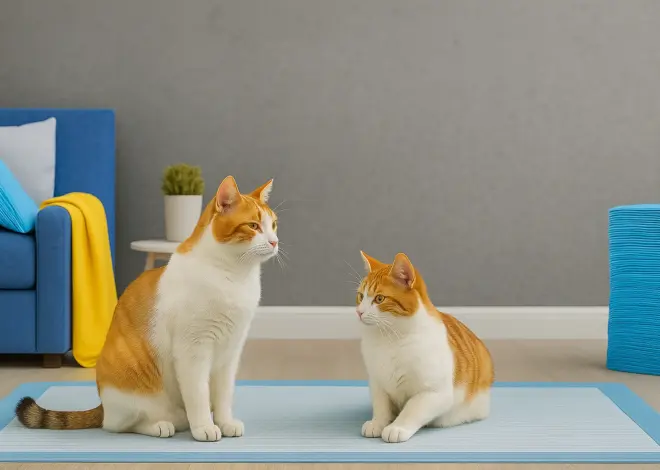

Cat Pee Pads: The Complete Guide for Cleaner, Odor-Free Homes in the USA
Cat Pee Pads is a must-have because if you’re a cat owner, dealing with unexpected messes is part of the journey. Whether you have a kitten, an older cat, or you’re just looking to simplify litter logistics, the right solution can make all the difference. That’s where a cat pee proofing pack becomes a game-changer. In this guide, we’ll walk you through everything you need to know about choosing, using, and maintaining reliable pads so you can buy with confidence, keep your home fresh and clean, and prevent those dreaded accidents.
Why You Need a Dedicated Solution
Pets are family—so your home should feel comfortable, clean, and welcoming for both you and your feline. But if your cat decides to use its litterbox outside the box, or you have multiple litter locations, or you’re travelling with a cat, you might want an extra layer of protection. That’s where investing in the right pad can save you time, stress, and cleaning.
Many cat owners find themselves googling things like “leak-proof pad,” “odor control pad,” or “how to protect hardwood floors from cat urine.” The simplest and most effective answer: getting the right cat pee pads designed for felines can help. When you opt for a specialized product instead of generic paper towels or outdated solutions, you’re choosing more absorbency, better containment, less odor—and more peace of mind.
Understanding the Landscape of Pads for Cats
There are many options out there—some marketed for dogs, some for training puppies, and some specifically for cats. To make it easy to navigate, we’ll break it down:
What is a “cat pee proofing pack”?
A cat pee proofing pack typically refers to a bundle of protective materials—pads, liners, mats—that help make surfaces resistant to cat urine or accidents. Think: a set you place under the litter box, in travel crates, or near doors/windows. It’s a proactive bundle aimed at proofing your surroundings rather than reacting to messes.
What are “pee pads for kittens”?
Kittens are energetic, curious, and often less coordinated than adult cats. So pee pads for kittens are thinner, smaller-sized versions of protective pads designed to match their size and typical behaviour. They allow for easy cleanup, protect the area near the litterbox (or for floor training), and give you a backup when you’re transitioning to full litter training.
What’s the difference between “cat pee pads” vs. “cat urine pad(s)”?
While the phrases cat pee pads and cat urine pad (or “pads”) are often used interchangeably, there can be subtle differences:
- Cat pee pads is a more casual, everyday term—someone thinking “I need something for my cat to pee on that won’t ruin my carpet.”
- Cat urine pads sometimes emphasizes the design specifically for urine — extra absorbency, odor control, leak-proof backing, sometimes even scent-control.
The ideal product often addresses both: heavy absorbency and containment of liquid plus odor neutralisation.
Why consider “blue unscented cat pee pads”?
Many training or protective pads come with scent or fragrance to mask odour; some cats don’t like scented products (they may avoid using them) and many owners prefer unscented to avoid allergens or masking smells rather than eliminating them. So blue unscented cat pee pads is simply a keyword phrase emphasising:
- Blue (often used for training pads or protective mats)
- Unscented (no added fragrance)
- For cat pee (so feline-specific rather than dog training pads)
Choosing unscented is often safer when you’re using them around cats, kittens, sensitive cats, or multi-pet households.
How about “pee pads for litter box”?
A phrase like pee pads for litter box emphasises pads placed under or around the litter box, rather than simply for training or travel. They are a protective layer for the litter area: e.g., two feet around a litter box on a hard floor, or underneath the box to catch splash-out or stray tracking.
The phrase “buy cat pee pads”
This is the direct call-to-action keyword: when someone is ready to purchase, they might type buy cat pee pads into search engines. So including this helps orient the blog toward consideration and purchase readiness.
How to Choose the Right Cat Pee Pad for Your Situation
Let’s dive into the criteria you should look at.
1. Absorbency & Leak-Proofing
You’ll want a pad that can handle the volume and frequency your cat produces. A heavy-duty backing helps prevent liquid seeping through and staining your floor or sub-floor. Some pads feature multi-layer absorbent cores (e.g., 4-5 layer design) and leak-proof bottoms.
2. Odor Control
Since urine can quickly leave an unpleasant smell, choose pads with built-in odor neutralisers or activated carbon layers. If you prefer no fragrance at all (safe for sensitive cats), go for unscented versions. For example, when you’re looking for blue unscented cat pee pads, you get the benefit of colour coding plus no additional scent.
3. Size & Fit
Does your litter box sit on a tiled floor or carpet? Do you want coverage for underneath and around the box? If yes, then a larger format makes sense (e.g., 36 × 48 inches) so you’re protecting a wide area. If your cat uses a smaller box, a smaller pad might work just fine for spot protection.
4. Placement Purpose
- For floor protection around litter box: you might look for a “pad for litter box” sized for the area.
- For travel, crate, or a kitten’s mobile area: you might look for “pee pads for kittens” sized smaller and easier to move.
- For long‐term under‐box protection: you might look for multi-use durable pads that last longer.
5. Material & Sustainability
Some pads may be disposable; others may be washable or reusable. If you’re environmentally minded, you may prefer a reusable mat you can wash. If convenience is key, a disposable pad that you toss is simpler.
6. Budget & Bulk/Value
If you have multiple cats or manage a cattery or foster situation, buying in bulk makes sense. Somewhere like the category on a large supplier allows you to “buy cat pee pads” in packs, saving cost per unit.
Real-World Example
On the site you referenced (the category “Pet Hygiene → Cat Pee Pads” on Bulk Price) there are offerings such as “XXXL Cat Pee Pads 36 × 48 Inch Leak-Proof & Ultra Absorbent” and “Medium Cat Pee Pads 18 × 24 Inch 600 CT Leak-Proof & Odor-Neutralizing”. This shows the sort of size choices and heavy-absorbency options you’ll find.
Setting Up Your Cat’s Pee Pad Area: Step-by-Step
Here’s how to get the most from your pads, especially if you’re using them under or around a litter box.
Step 1: Clean the Area
Before placing the pad, thoroughly clean the floor surface (tile, wood, carpet) under/around the litter box. Removing any residual odor or stain ensures the pad can work as intended and your cat doesn’t associate previous smells with the spot.
Step 2: Place the Pad
Lay the pad so that it covers the footprint of the litter box and extends out 3-6 inches on each side (or more if you have a larger box or anticipate tracking). If you’re buying a pad for litter box placement (for example a larger size like 36 × 48), centre the box and align the pad accordingly.
Step 3: Replace Litter Box Mat (Optional)
If you use a litter mat, you can place the pad under the mat (so the pad collects leaks/tracks and the mat captures stray litter). This layering gives you extra protection.
Step 4: Monitor Usage & Replace When Needed
Track how quickly the pad is saturating. Depending on number of cats, type of litter, and frequency of use, you might need to replace the pad weekly, bi-weekly, or sooner. If you notice sagging, liquid pooling, or odor, it’s time to change.
Step 5: Train & Encourage
If you’re using the pad in a training context (for example for kittens): When you place a pee pad for kittens, show the kitten the pad area and consider placing it near the litter box or a spot you anticipate accidents. Reward the kitty for using it. Over time you can train them to exclusively use the litter box area.
Step 6: Storage and Disposal
If you’re using disposable pads, fold and discard according to local waste rules. If reusable mats/pads, follow washing instructions (gentle detergent, cold water, hang dry) to preserve the absorbency layer.
Common Scenarios & Which Pad Fits Best
Let’s run through some scenarios you might face and how the right product solves them.
Scenario A: Multiple cats + tile floor
You have two adult cats using one litter box, placed on a tile floor near the wall. A large size pad—e.g., 36 × 48 inch—gives you wide protection. If you choose an unscented pad, you avoid interfering with your cats’ scent cues.
Scenario B: Kitten in training
You have a new kitten who isn’t yet fully litter-trained. A smaller pad tailored as pee pads for kittens placed near the litter box helps reduce accidents on the floor, lets the kitten learn a clean spot, and protects your flooring while training takes hold.
Scenario C: Travel or temporary placement
You’re moving or have a litter box placed in a travel crate or behind a door. In this case a moderate pad size, plus a liner that you can “buy cat pee pads” in a multipack for rotating as needed, works effectively. Place it under the crate or box just for the duration of travel.
Scenario D: Splash/out-of-box mess
Some cats may occasionally miss the box or pee on the floor next to the box (especially older cats or cats with health issues). Using cat urine pad big enough to catch splash or fallback usage is smart, positioned slightly away from the box so it becomes a backup zone.
How to Buy Right: A Quick Checklist
When you go to buy cat pee pads, especially online in the U.S., keep these in mind:
- Size: Check dimensions and ensure fit for your space
- Unit count: How many pads are included? Are you buying a bulk pack?
- Absorbency rating: Look for claims like “leak-proof”, “ultra-absorbent”, “600 CT (count)” etc. For example, the Medium Cat Pee Pads 18×24 inch 600 CT leak-proof from the referenced site.
- Material/backing: Is there a waterproof backing? Is it unscented?
- Brand/purpose: Tailored for cats vs generic dog pads. The site points out “Mess-free, odor-free cat pee pads for better litter box hygiene”.
- Bulk-value: If you have multiple cats or frequent use, is buying in bulk cheaper per pad?
- Return policy: Does the seller accept returns if the pad doesn’t perform as expected?
- Shipping/USA availability: Make sure the product ships within the U.S., or check for any import/shipping delays.
Mistakes to Avoid
- Buying tiny pads for a large litter box: If the pad is too small, urine may pool off the pad and onto the floor.
- Using scented pads when your cat dislikes scent: Some cats will avoid using scented padding, leading to more messes.
- Placing a pad on uneven or carpeted surface without checking backing: Liquid may wick through carpet backing.
- Not monitoring usage: A pad used up to capacity won’t protect properly, and you’ll still end up with floor damage.
- Ignoring the litter box itself: If your cat is avoiding the litter box due to smell, size, or placement, no pad will fully solve the root cause.
Case Study: Protecting Hardwood Floors
Imagine you have beautiful hardwood floors and your cat uses a litter box in a corner of your living room. You’ve noticed some urine seepage at the baseboard area after some months. Solution: place a cat pee proofing pack under the litter box and extend it outwards. Use an unscented, large-format pad (for example 36×48 inches) so the entire zone around the litter box is protected. When you do, you’ll likely see fewer incidents of seeping and staining. Over time you’ll save on refinishing hardwood, smell removal, and the stress of leak cleanup.
Integrating With Training & Behavior
If you have a kitten or newly adopted adult cat, pairing pad usage with positive reinforcement is powerful.
- Place a pee pads for kittens style pad near the litterbox during transition.
- Praise or reward (a small treat) when your cat uses the pad or litterbox correctly.
- Once usage becomes consistent, you can slowly transition to just the litter box only (if the pad was a temporary tool).
- If you’re using the pad as a permanent protective layer (under the box), still check regularly, and reinforce cleanliness with your cat by keeping the area tidy.
When to Replace a Pad
Important signs your pad has served its time:
- The pad is sagging or pooling—liquid is visible.
- The backing has leaked or the floor underneath is damp.
- You’re noticing odor despite using an “odor-control” product.
- The pad has shifted, curled, or become soiled beyond cleaning.
- You’ve had many more accidents in one zone—might be a signal of behavioral or health issue rather than just pad failure.
Regular replacement (weekly or bi-weekly for heavy use) is often better than pushing a pad beyond its capacity.
Health & Hygiene Considerations
Cats are clean animals and respond to clean surfaces. If you notice your cat is avoiding the litter box and instead urinating on the floor, check for health issues (UTIs, kidney problems) first. Using cat urine pads or protective pads is a tool, not a substitute for proper veterinary care if something’s wrong.
Ensure you clean any mess promptly with an enzyme cleaner (important for removing urine scent, which may cause repeat mistakes). While the pad helps protect the floor, cleaning the underlying surface eliminates old odor cues.
Final Thoughts
If you’ve been struggling with floor accidents, messy litter zones, or protective mat fatigue, the right choice of cat pee pads, especially in a smart setup (a protective pad under or around the litter box) can transform the cleanliness of your home. The ease of use, reduced worry about seeping or odor, and the cleaner look make it a worthwhile investment.
When it’s time to buy cat pee pads, remember to: check size, absorbency, backing material, unscented or not, and whether it’s designed specifically for cats rather than generic dog pads. The site you referenced offers excellent bulk options for cats—including sizes like 18×24 called “Medium Cat Pee Pads 600 CT Leak-Proof & Odor-Neutralizing” and larger sizes.
Whether you’re buying one pad for a single-cat home or purchasing a cat pee proofing pack for a multi-cat environment, choosing the right product will help you enjoy your feline companion without worrying about unintended messes.
Frequently Asked Questions: Cat Pee Pads
How often should I replace a cat pee pad under the litter box?
It depends on usage, number of cats, and floor type. For a single cat and moderate use, replacing every 1–2 weeks is a good rule. With multiple cats or heavy usage, you might replace weekly. If you notice liquid pooling, sagging, or odor, replace sooner.
Can I use regular dog pee pads for my cat?
Technically yes, but there are advantages in choosing pads designed for cats. Cats are more sensitive to surface texture, scent, and location. Specialized cat urine pad products often have better sizing for cat litter box setups, more appropriate backing, and may be unscented to suit feline preferences.
My cat refuses to use the area with the pad – what to do?
First check: is the litter box clean? Is the pad interfering with the cat’s sense of comfort (texture, scent)? Try switching to a blue unscented cat pee pad (i.e., unscented to avoid offending the cat). Also ensure the pad placement is correct (not too large, not too weird). If behaviour persists, check with your vet for health issues.
Are reusable pads better than disposable ones?
Reusable mats can be cost-effective and environmentally friendly. However, they require washing and may not absorb as much as heavy disposable pads. If you want maximum absorbency with minimal effort, high-quality disposable pads are a convenient choice. For example, the “Medium Cat Pee Pads 18×24 Inch 600 CT Leak-Proof & Odor-Neutralizing” from the referenced collection is a strong disposable option.
I travel with my cat – can I use pee pads in the crate?
Absolutely. A smaller version of a pad (for instance the size tailored for kittens) can line a crate or carrier and serve as a backup for travel accidents. Use pee pads for kittens or the smaller size of cat pee pads and be sure to secure it so it doesn’t shift during travel. Replace it promptly after use and carry spares if needed.